Contemporary bouquets
Give each focal shape enough room to read clearly. Test the design from the front and side before finalizing stem counts.
Curcuma longaTropicals
Use a cultivated turmeric flower spike as a distinct accent rather than assuming it matches a commercial Siam tulip. Keep its shape visible among simpler flowers, and test the actual cuts for opening and display behavior before including them in a client's event plan.
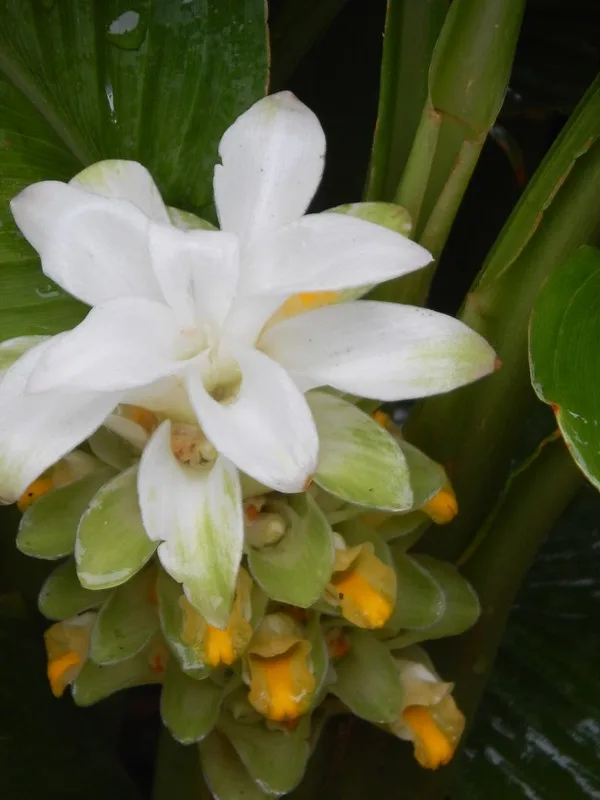 FIELD NOTESculptural focal line
Photo Credit: Forest and Kim Starr · CC BY 2.0
Sculptural focal line
Names are a starting point. Keep the exact commercial form, cultivar, and supplier grade with your recipe so another florist can reproduce it.
Common Turmeric · Turmeric · Curcuma longa
Search aliases can overlap; confirm the botanical identity and product code with your supplier.Botanical reference: NC State Extension . Colors and bloom seasons describe the referenced plant or group in a garden context; they are not a cut-flower stock list. Commercial hybrids, cultivars, and local conditions can differ.
Explore the shape, texture, and possibilities. Open a photo for a closer look.
Turmeric Flower
Photo Credit: Forest and Kim Starr · CC BY 2.0
Foliage and habit.
Photo Credit: Forest and Kim Starr · CC BY 2.0
These are design starting points. Test your sample with the actual cut material, venue conditions, and mechanics.
Give each focal shape enough room to read clearly. Test the design from the front and side before finalizing stem counts.
Let vase proportions and flower placement carry the design. A sample helps reveal the amount of support required.
Combine clear focal placements with a simpler background. Measure the finished spread and transport footprint.
Start with contrasting shapes and compatible scale. Confirm that both ingredients are available in your colors for the same event date.
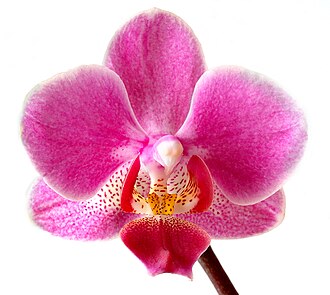
An open flowering line for contrast.
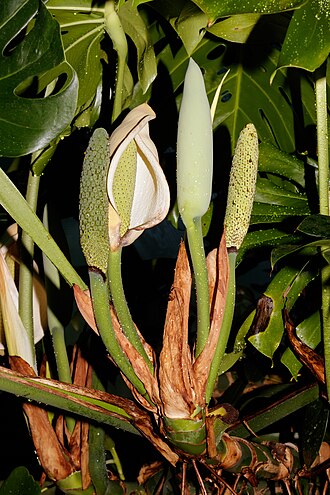
A broad leaf backdrop for sculptural flowers.
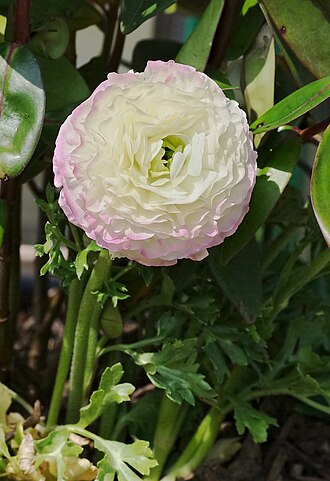
A softer petal texture beside smooth forms.
These are design alternatives to explore. They can differ in head size, stem yield, color, and handling, so make a new sample and recost the recipe.
Recipe quantity × arrangements, plus your extra-stem allowance. Then round up to your supplier’s pack size.
Start with a sample design, then work out the full order. The numbers below are a math example, not a recommended turmeric flower recipe.
Round up (3 × 10 × 1.1) to whole stems, then whole packs.
Cost one arrangementCarries your per-arrangement quantity, stem cost, pack size, and buffer into the calculator. Add other flowers, supplies, and labor there. Signup unlocks catalog selection beyond the 10 free favorites.
Think of this ingredient as a sculptural focal line. Use a cultivated turmeric flower spike as a distinct accent rather than assuming it matches a commercial Siam tulip. Keep its shape visible among simpler flowers, and test the actual cuts for opening and display behavior before including them in a client's event plan.
Use a date-specific supplier quote for turmeric flower. Can you confirm Curcuma longa rather than another curcuma species, and provide a cut-flower sample with usable length, opening stage, and handling instructions? Divide the quoted bunch price by its usable stem count for a per-stem cost, then include your quantities, supplies, labor, and pricing rules in the calculator. There is no fixed wholesale price in this guide.
Make one representative arrangement first and record how many purchased stems it uses. Multiply that quantity by the number of arrangements, add your chosen ordering allowance, and round up to whole supplier packs. The planner on this page demonstrates this calculation; its example values are not a recommended flower recipe.
The botanical reference lists summer garden bloom seasons for the referenced plant or group. That describes garden flowering in the source’s context, not guaranteed cut-flower stock. Local climate, cultivar, production methods, and imports change what your supplier can offer. Confirm the exact date, form, color, and grade before promising this flower.
Stemwork’s design notes and pairing suggestions are editorial starting points for a florist’s own sample recipe. Botanical facts are drawn from Curcuma longa — NC State Extension Plant Toolbox (reference checked September 24, 2026). General preparation and design principles reference University of Minnesota Extension. Garden bloom seasons describe a plant in the reference’s growing context, not global wholesale availability. Images show botanical references and may depict a different cultivar or commercial stage. Stemwork does not publish live supplier inventory, wholesale prices, or guaranteed vase-life claims.
Explore the wider botanical group: Curcuma species in the botanical directory. Commercial forms in this guide may be hybrids or cultivars.
Explore all 980 flower & foliage guides